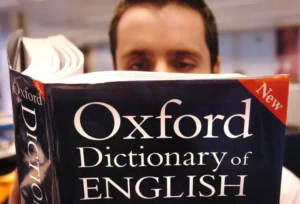

Every year we found some new words while reading newspaper, watching videos, scrolling reels. These words are discovered by many well known dictionaries like Cambridge Dictionary, Dictionary.com, Oxford University Press, Collins Dictionary, etc. These words are discovered on the basis of new cultural and generational changes, technology, and language evolution.
Some clear and simple explanations of how it happens:
- Language changes when people start using new expressions in conversations, social media, memes, videos and songs. If a word is used popularly and widely, it starts getting noticed.
Example: selfie, vlog, unfriend
- A new name is used to describe new trends and inventions, thus a new word is coined
Example: AI, Cryptocurrency, metaverse, emoji
- Lifestyle changes, global events and social movements introduce new terms.
Example: lockdown, work-from-home
- Young people create slang to express humor, trend, or identity.
Example: ghosting, rizz, flex
The dictionary teams keep their eyes on trends, when a word shows consistent, long-term usage, it gets officially added. Inshort, new words are not invented by dictionaries. They just record what people already use. Language grows because society grows.
Here are some new words added by the dictionaries in 2025. Have a look
- Parasocial
One sided relationship with influencers, celebrities and even with AI
- 67
A vibe , a mood, a number which is impossible to define and that’s the point. Gen Z turned this word “67” into the ultimate response.
- Rage bait
Content designed to make you angry because anger= engagement. A perfect snapshot of 2025’s internet chaos. It often used on internet to make people angry or upset, so they react, comment, or argue to share. This provokes anger to get attention and engagement. Foe example: creators post something controversial, misleading to get views. It’s common on social media.
- Vibe coding
Telling AI to code using just natural language. No lines, no syntax just vibes. Tech meets intuition in the most 2025 way.
- AI slop
- Low effort, AI generated content flooding feeds, inboxes, and timelines.
These are some newly added words in English language which tell us that the year was shaped by the online emotions, AI driven shortcuts, ambiguous slang, outrage culture, and digital first identities.
Thanks for reading this post. Subscribe us to read more.